Sash window draught-proofing
Concealed brush seals that stop draughts and rattles without changing how your windows look — £280 + VAT per window across Kent, London and the South East.
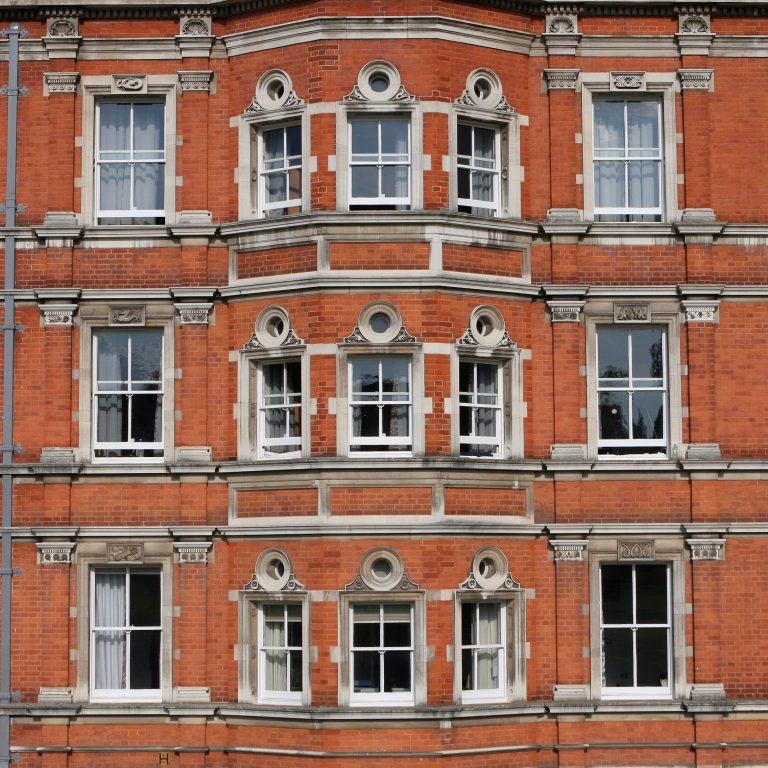
Sash window draught-proofing seals the gaps around the sashes with concealed brush seals, stopping draughts, rattles and much of the road noise without changing how the window looks. It costs £280 + VAT per window and takes two to three hours per window.
What draught-proofing involves
We take the sashes out of the box frame, rout a discreet channel into the meeting rails, stiles and beads, and fit a brush-pile seal into it. The sashes are then re-balanced so they still glide, and the beads are refitted so the whole window closes against a seal rather than onto bare timber.
- Sashes removed, cleaned and checked over
- Concealed brush seals routed into sashes and beads
- Sash weights re-balanced so the window still runs freely
- Parting and staff beads replaced where they are worn
- Rattles eliminated and the window left opening properly
Got a cheaper like-for-like written quote? Send it over and we will beat it.
Why it is worth doing on a period window
Original sash windows were made to be repaired. The timber in a Victorian or Georgian sash is usually slow-grown softwood that outlasts anything you can buy today, so the sensible fix is to seal the gaps rather than replace the window. Draught-proofing is also the option conservation officers prefer, because nothing visible changes.
- Keeps the original glass, timber and proportions
- Normally needs no listed building consent for like-for-like work
- A fraction of the cost of replacement windows
- Done in a day or two per house, with no mess left behind
Frequently asked questions
Does draught-proofing change how my windows look?
No. The brush seals are routed into the sash and the staff and parting beads, so they sit out of sight once the window is closed. From inside or outside the window looks exactly as it did — which is why the method is accepted on listed buildings and in conservation areas.
How much does it cost to draught-proof a sash window?
£280 + VAT per window, including re-balancing the sashes so they still run smoothly with the new seals fitted. You get a fixed written quote after a free survey, and we will beat any like-for-like written quote.
Will it stop the rattling as well as the draughts?
Yes. Rattling is caused by the gap between the sash and the frame. Once that gap is sealed and the sashes are packed correctly, the rattle goes with it.
How long does it take?
Most windows take two to three hours. A typical house of six to eight windows is done in two days, and the windows are usable the same evening.
Will draught-proofing make my house warmer?
It removes the draught and cuts heat loss around the window, and it also reduces road noise. Single glazing still loses heat through the glass itself — if that is the issue, slim double-glazed units in the existing sashes are the next step.
Other sash window services
Draught-proofing near you
How the window goes back together