
Secondary glazing for sash windows
A slim inner pane that kills traffic noise and cold without touching the original sash — surveyed free and quoted in writing across Kent, London and the South East.
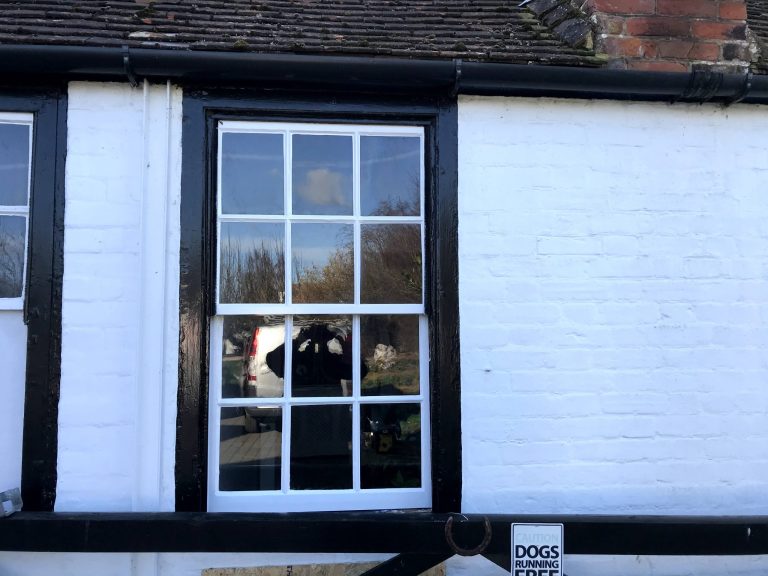
Secondary glazing is a slim inner window fitted behind your existing sash. Nothing is cut, stripped or removed from the original window, so it is the usual choice for listed buildings and the best answer to traffic noise. We survey free, quote in writing, and guarantee draught-proofing for 10 years and all other workmanship for 1 year.
What secondary glazing does for a sash window
A sash window loses heat and lets noise in through the glass and through the gaps around the sashes. Secondary glazing puts a second sealed pane in front of the whole opening, so you get a still air gap across the entire window rather than only in the glazing bead. The original sash stays exactly as it is behind it.
- Cuts traffic, railway and aircraft noise more than any glazing upgrade to the sash itself
- Keeps the original glass, horns, beading and joinery untouched
- Normally acceptable in conservation areas and on listed buildings
- Removable for cleaning, and the sash behind it still opens
- No scaffolding, no external work, one visit for most rooms
Secondary glazing or slim double glazing?
Both are warmer than single glass. Which one is right depends on the window, the planning position and what is bothering you most.
Choose secondary glazing
Listed building or strict conservation area, noise is the main complaint, the original glass is historic or curved, or the sashes are sound and you want nothing altered.
Choose slim double glazing
£980 + VAT per window. The sash is already being repaired, the glass is plain modern float, and you want the window to look unchanged from the street with better thermal figures.
Choose draught-proofing first
£280 + VAT per window. Rattles, whistling and cold spots around the edges of the sash rather than through the glass. It is often all a window needs.
How we fit it
- Free survey — we measure the reveal, check the sash is sound and tell you honestly if draught-proofing alone would do
- Written fixed quote, itemised per opening, with the unit type specified
- Any repairs to the original sash first, so it is sound behind the new unit
- Units made to the measured reveal and fitted with a slim frame matched to your paintwork
- Everything demonstrated before we leave, and tidied up as we go
Secondary glazing questions
Is secondary glazing better than double glazing for sash windows?
They solve different problems. Secondary glazing is the stronger option for noise and it leaves the original sash untouched, which matters on listed buildings. Slim double glazing changes the sash itself and gives a tidier look from inside with better thermal figures. We will tell you which one suits your window at the survey.
Will secondary glazing stop traffic noise?
It is the most effective thing you can do to a sash window short of replacing the whole opening. The air gap between the original sash and the inner pane is what does the work, so the wider the cavity, the quieter the room.
Can I still open my sash windows?
Yes. The units we fit slide or hinge open so you can still operate the sash behind them, and they come out for cleaning.
Is secondary glazing allowed on a listed building?
It is usually the preferred route, because nothing is removed from or cut into the original window. Always check with your conservation officer first — we can supply details of what we propose for your application.
How much does secondary glazing cost?
It is priced per opening after a free survey, because the size, the reveal and the type of unit all change the figure. We quote in writing and we will beat any genuine like-for-like written quote.