Should you repair or replace your sash windows?
The short answer, the costs, and the cases where replacement really is the right call.
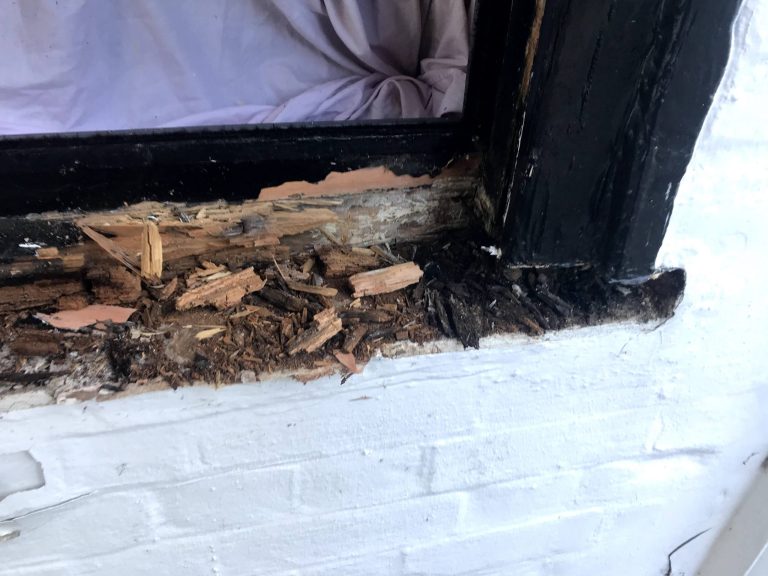
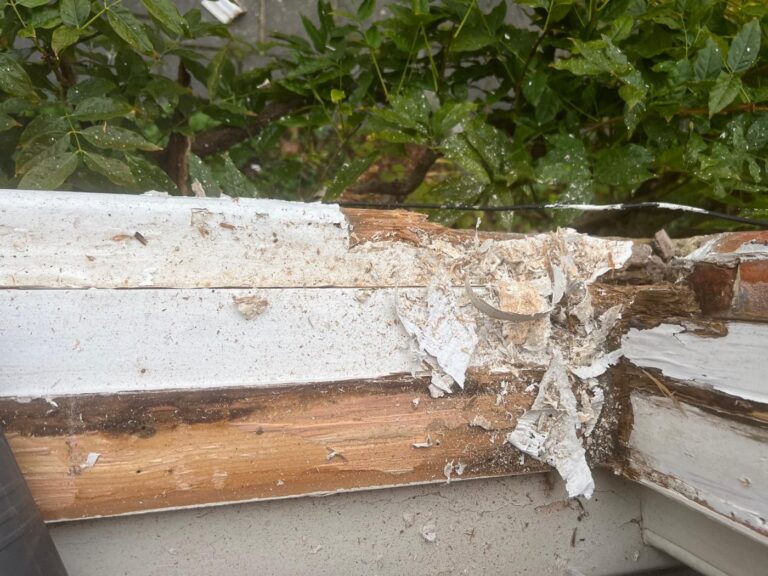
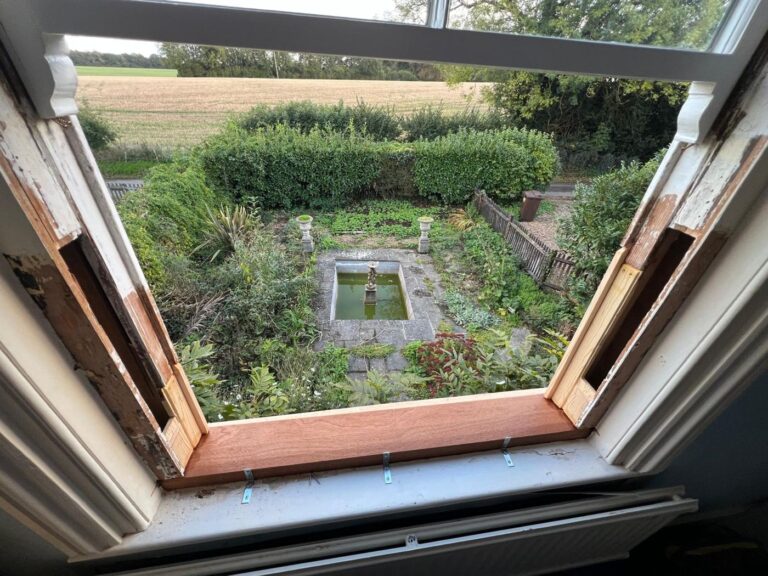
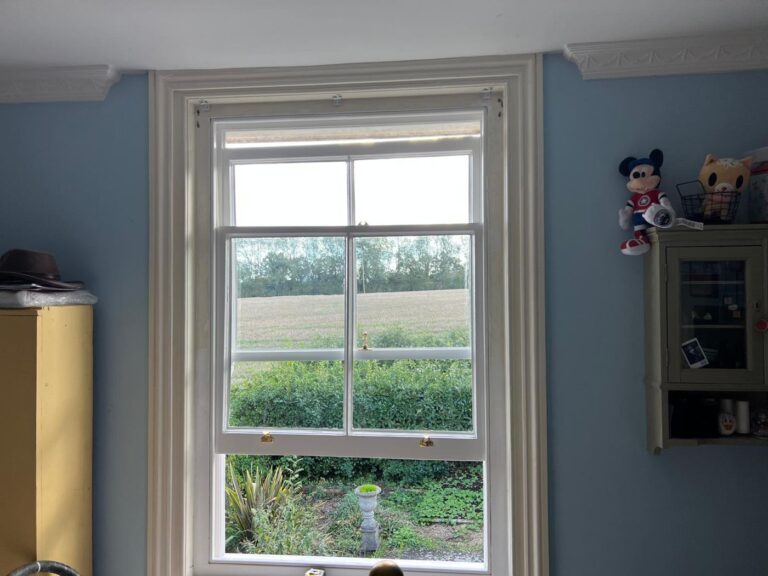
If the box frame is sound, repairing and draught-proofing is cheaper than replacement, keeps the original glass and timber, and is usually the only option on listed buildings and in conservation areas. Replacement makes sense when the frame itself has failed — which is rarer than most people are told.
The cost comparison
- Draught-proof an existing window — £280 + VAT, stops draughts and rattles
- Full restoration — £1,280 + VAT, the window working like new
- Slim double glazing in the existing sash — £980 + VAT
- New timber sash window — typically several times the restoration cost per window, plus making good, plus decoration
What you lose by replacing
Original cylinder or crown glass, with its slight distortion, is the thing people miss most — once it is skipped it cannot be bought back. You also lose the slender glazing bars and the exact proportions of the original joinery, which is what makes a period facade look right.
When replacement is the right answer
- The box frame built into the wall has rotted through, not just the sill or rail
- The window has already been replaced once with something that does not suit the building
- Extending or altering the opening as part of larger building work
Even then, a replacement should be timber, made to match the original profile. In a conservation area that is usually what consent requires.
Frequently asked questions
Is it cheaper to repair or replace sash windows?
Repair, in nearly every case. Draught-proofing is £280 + VAT per window and a full restoration £1,280 + VAT, against several thousand pounds per window for a like-for-like timber replacement, before you add making good inside and out.
When is a sash window genuinely beyond repair?
When the box frame itself has gone — not the sill or the bottom rail, which are routine repairs, but the frame built into the wall. That is rare. We will tell you when we see it rather than quoting for work that will not last.
Do I need consent to replace windows in a conservation area?
Usually yes, and it is often refused for uPVC or for anything that changes the sightlines. Like-for-like repair normally needs no consent at all, which is why repair is the simpler route as well as the cheaper one.
Will repairing make my windows as warm as new double glazing?
Draught-proofing removes the draught and cuts noise, but single glass still loses heat. If warmth is the priority, slim double-glazed units in the existing sashes (£980 + VAT per window) get you most of the way there while keeping the original window.
How long will a repaired sash window last?
Properly spliced timber, new cords and a maintained paint finish will give you decades — these windows have often already lasted a century. Repaint every eight to ten years and the repair will outlast a replacement unit.
What repair actually looks like